Key Reading: Freedom House Case Study on Transnational Repression in Germany
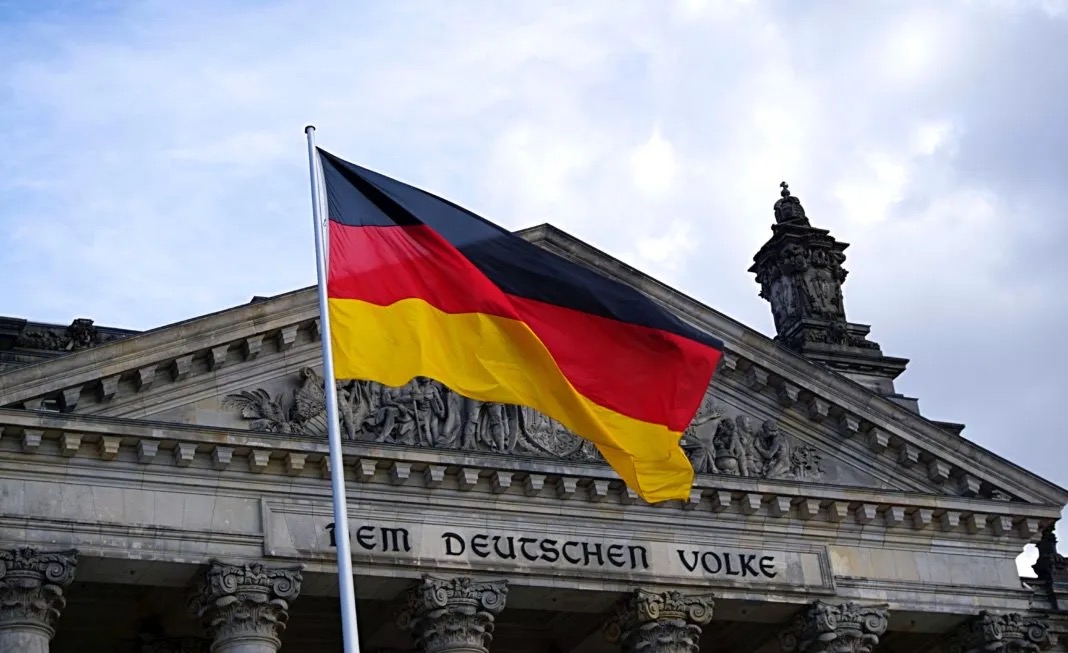
This Key Reading highlights findings from the report “Transnational Repression Report 2022: Case Study – Germany”, which examines how authoritarian governments have increasingly extended their coercive practices onto German soil, targeting dissidents, journalists, and political activists living in exile.
The case study offers a detailed look into how Germany—Europe’s largest host country for exiled human rights defenders—has become a focal point for transnational repression efforts carried out by foreign states.
Why Germany?
The report underscores Germany’s position as a key destination for exiles from the Middle East, Central Asia, Russia, and China. Its strong asylum system, vibrant civil society, and relative safety make it a hub for political opposition groups—yet also a prime target for hostile foreign intelligence services and authoritarian governments seeking to silence critics abroad.
Key Findings from the Case Study
1. Increasing Threats and Surveillance
The study documents cases in which activists and journalists in Germany have been subjected to surveillance, intimidation, online harassment, and coercion-by-proxy, including threats to families in their home countries.
2. Digital Transnational Repression
Germany has seen a rise in hacking attempts, phishing campaigns, spyware targeting, and coordinated online harassment—especially against women journalists and exiled political activists.
3. Physical and Legal Harassment
The report highlights instances of:
- attempted physical attacks,
- embassy-led intimidation,
- misuse of Interpol Red Notices,
- and pressure applied through deportation threats in other EU countries during travel.
4. Most Active Perpetrator States
Germany has reported cases linked to:
- Russia,
- Turkey,
- Iran,
- China,
- Egypt, and
- Central Asian regimes.
These states use a mix of digital monitoring, family intimidation, and consular pressure to track and silence dissidents.
5. Gaps in Germany’s Response
While Germany recognises the threat, the report highlights:
- inconsistent law enforcement awareness,
- lack of a unified national strategy against TNR,
- limited protection for HRDs beyond asylum,
- and challenges in documenting incidents.
Why This Matters
The study concludes that transnational repression in Germany is not isolated, but part of a broader European pattern. As authoritarian governments globalise their repression, Germany—and the EU as a whole—must strengthen protective measures for human rights defenders, journalists, and political exiles residing within their borders.
Key Quote from the Report
“Transnational repression undermines not only individual freedoms but Germany’s democratic institutions, civic space, and the security of diaspora communities.”
You can read the full study through this link: https://freedomhouse.org/sites/default/files/2022-06/TransnationalRepressionReport2022_CaseStudy_Germany_FINAL.pdf